23 September 2026
Beginning with the community
CFCI and Mwachideko Self Help Group discussed the project, community experience and the conditions surrounding the mariculture ponds and mangroves in Mwawesa.
View milestoneMangrove Champions Initiative
In Mwawesa, a community is exploring how mariculture can support livelihoods while remaining responsive to the mangrove ecosystem around it.
A fishpond does not end at its banks.
The water moving through it, the surrounding soil and the changing tides connect every pond to a wider coastal ecosystem. In Mwawesa, that ecosystem includes the mangroves surrounding the mariculture activities of Mwachideko Self Help Group.
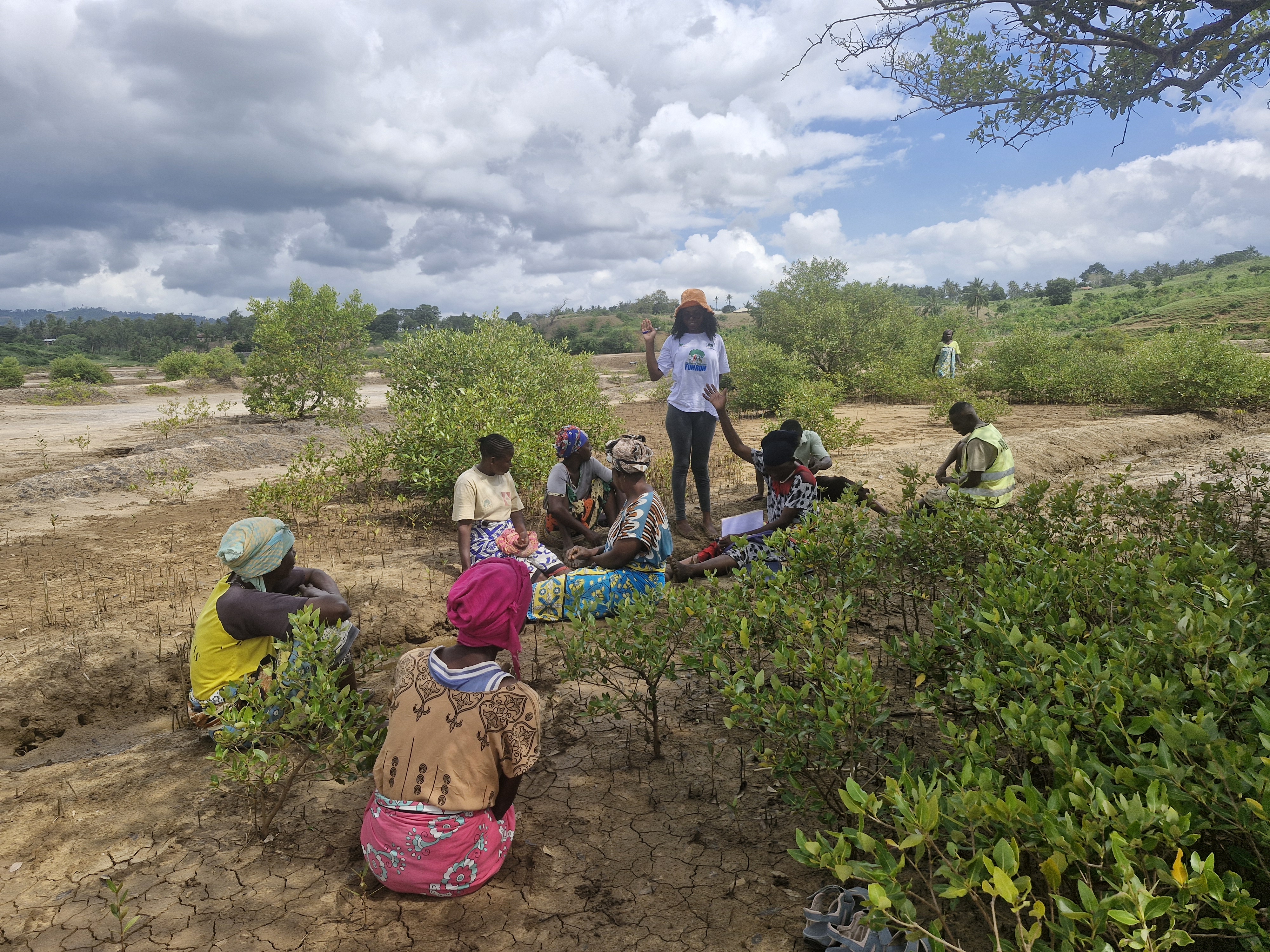
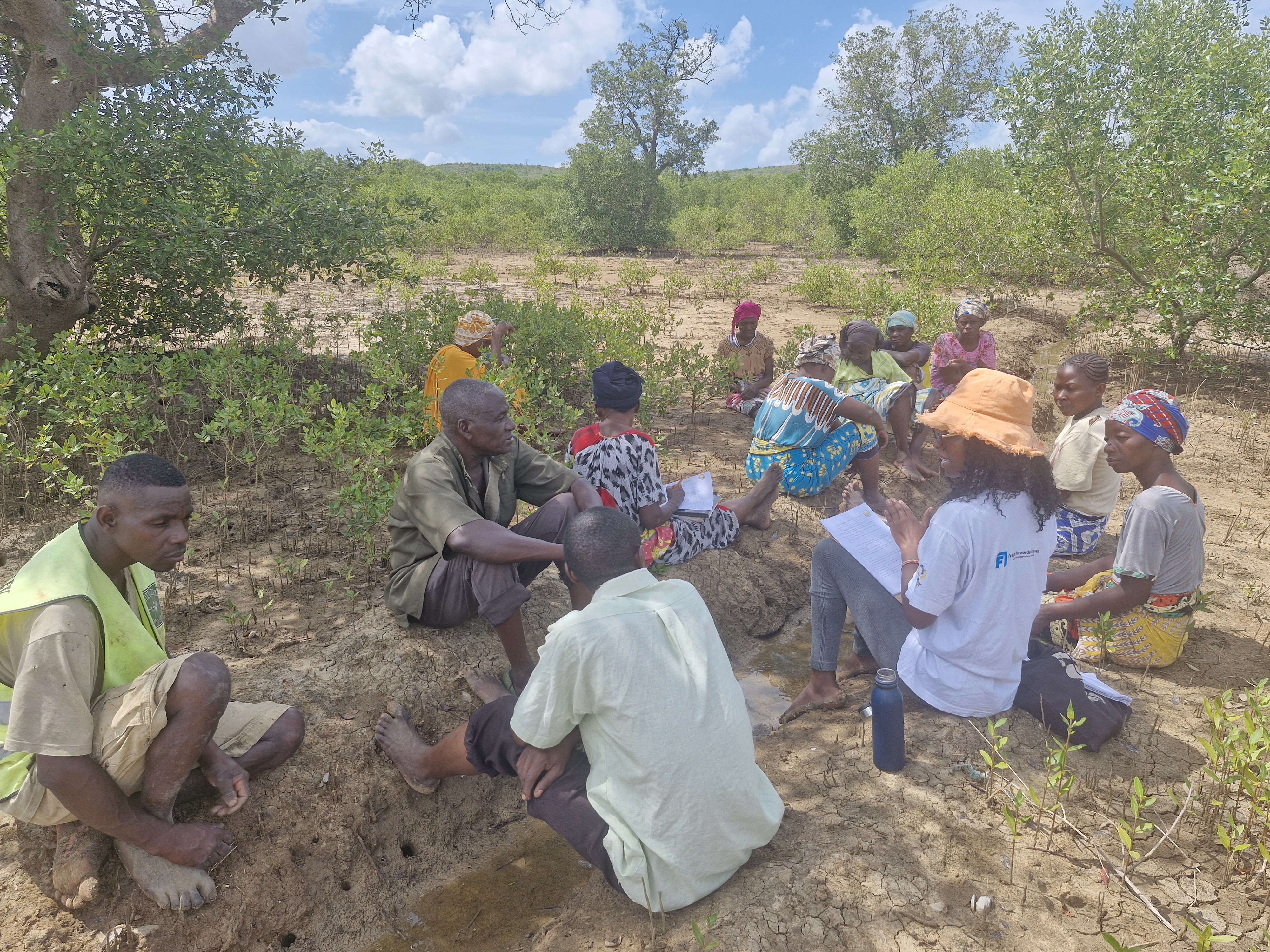
For the community, mariculture is practical work. It involves daily decisions about water, feeding, pond conditions, animal health and maintenance. It also raises an important question: how can this work continue in a way that supports community livelihoods while caring for the ecosystem on which it depends?
This question is at the centre of the Mangrove Champions Initiative.
With support from Wetlands International, Casina Farms Community Initiative is working with Mwachideko Self Help Group to connect practical mariculture learning with Community-Based Ecological Mangrove Restoration, or CBEMR. The initiative forms part of the wider work of the Global Mangrove Alliance Kenya Chapter.
Mwawesa Community Pond | September 24, 2026
Mwachideko members already bring experience in managing ponds and working within the coastal environment.
The project begins with this knowledge. It creates opportunities for community members to examine their current practices, exchange ideas with other coastal practitioners and consider approaches that may be useful in their own setting.
The community is not receiving a ready-made model. Its members are contributing their own experience, identifying the challenges they face and helping determine what is practical for Mwawesa.
Community representatives participate in learning exchanges at Dabaso Crab Shack and the KWETU Training Centre for Sustainable Development.
These visits support cross-pollination through knowledge exchange between communities and other mariculture practitioners. They allow participants to observe different approaches, ask practical questions and reflect on how pond management, water quality, animal health and mangrove conservation influence one another.
The aim is not to copy what another community is doing. Coastal environments, available resources and community priorities differ. The value of the exchange lies in understanding what may be adapted and what must be approached differently.
Mangrove Champions Initiative
Building Community Capacity for Regenerative Mariculture and Hydrological Mangrove Ecosystem Restoration in Coastal Kenya
Implemented by Casina Farms Community Initiative with support from Wetlands International
Through the Mangrove Champions Initiative, Casina Farms Community Initiative has been building community capacity in Community-Based Ecological Mangrove Restoration (CBEMR) and regenerative mariculture in Mombasa. The work is supported by Wetlands International.
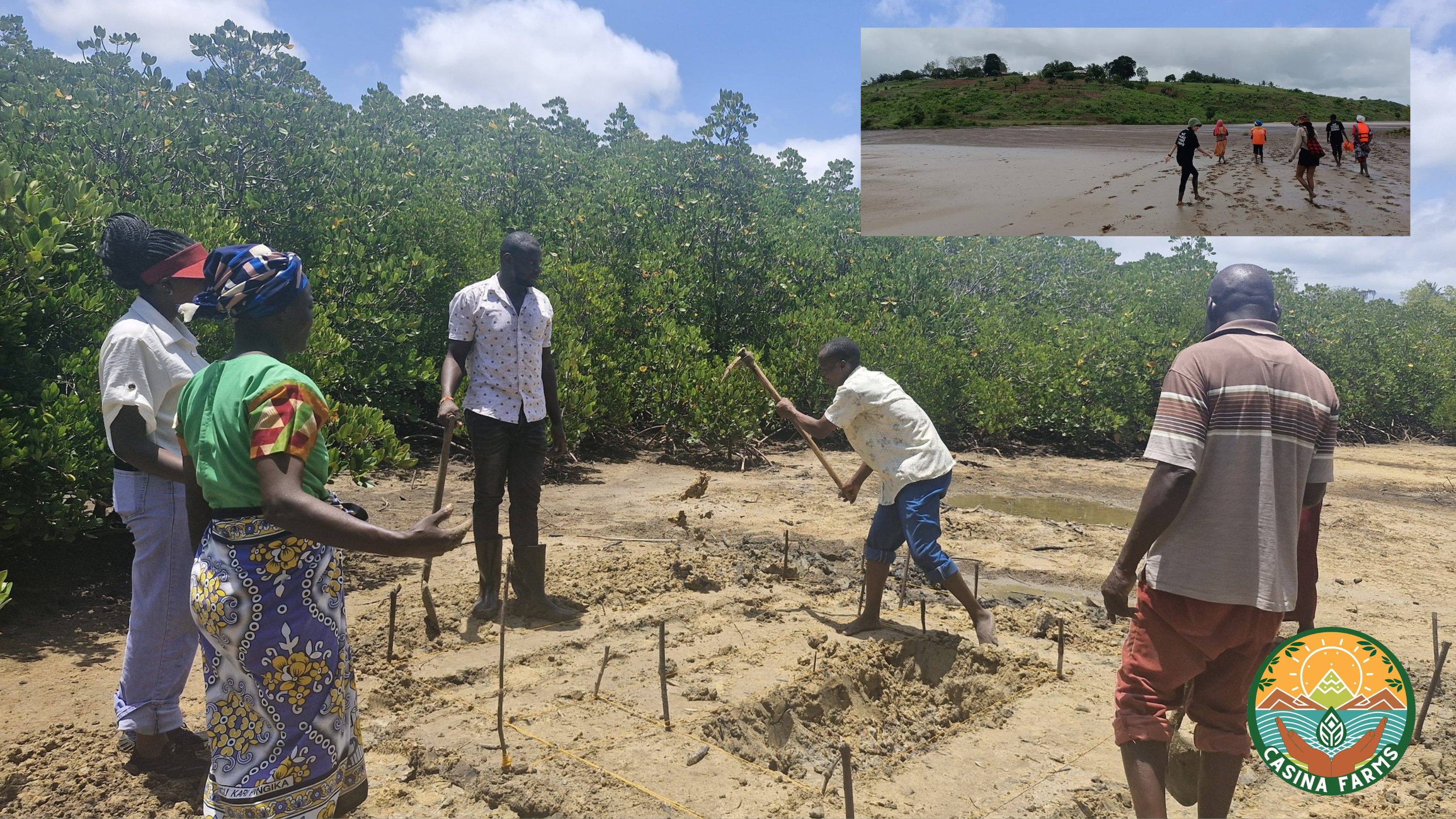
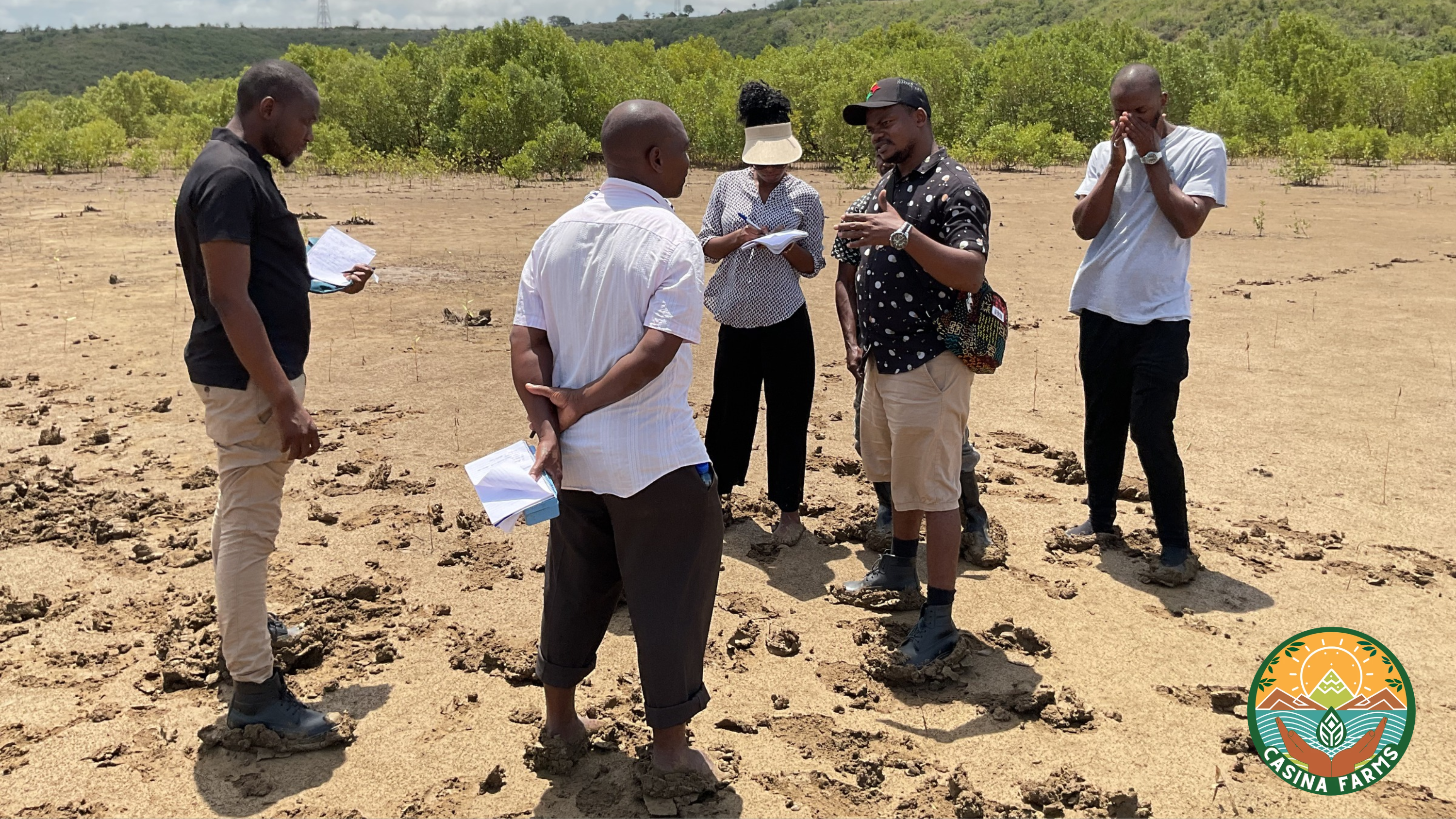
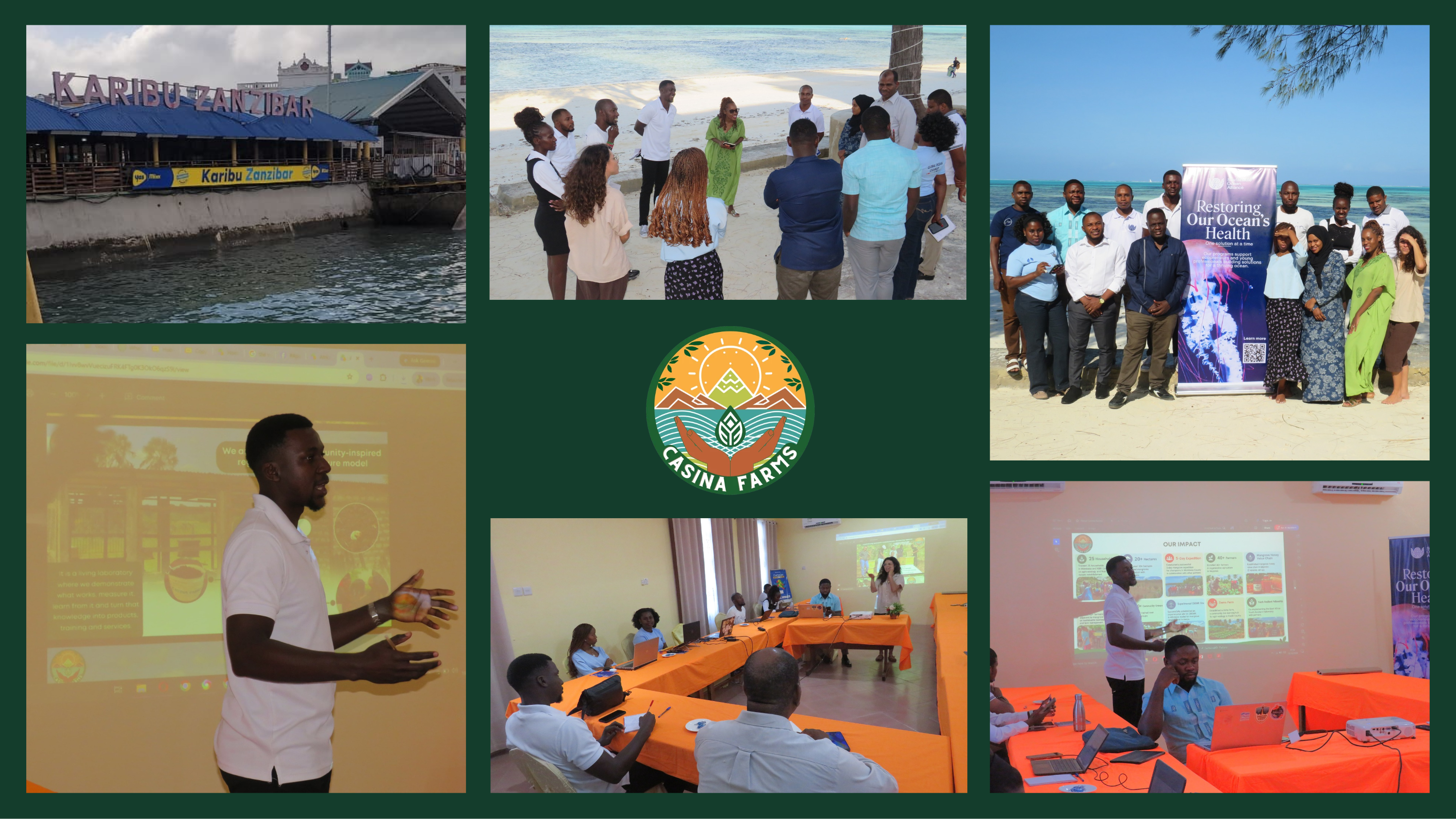
Mangrove-restoration groups reached at Tudor Creek, Mombasa, through CBEMR outreach.
CBEMR master class delivered through the Youth Climate Resilience Fellowship.
Youth ocean-conservation leaders from across Africa engaged through a Sustainable Ocean Alliance Global session in Zanzibar.
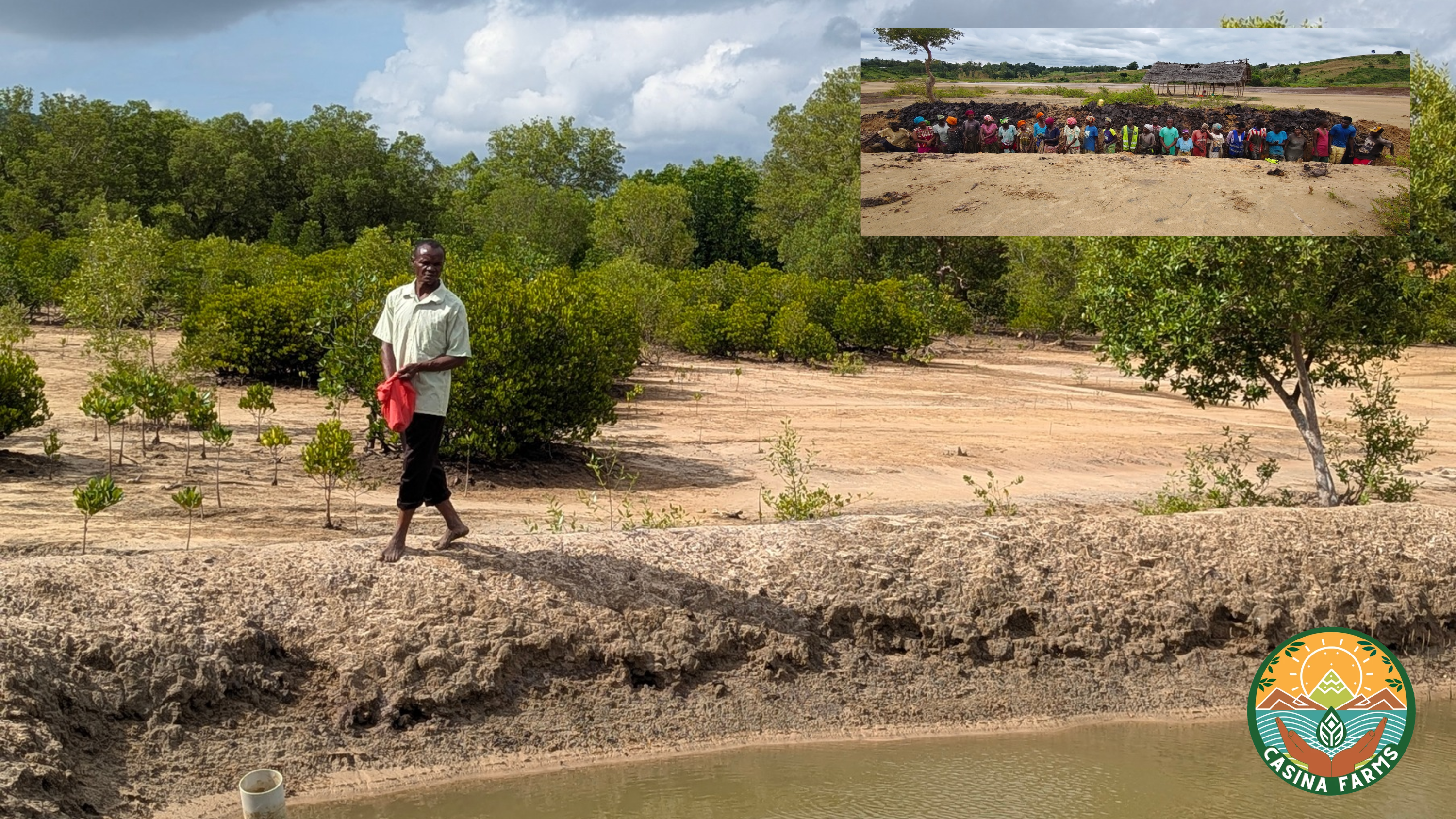
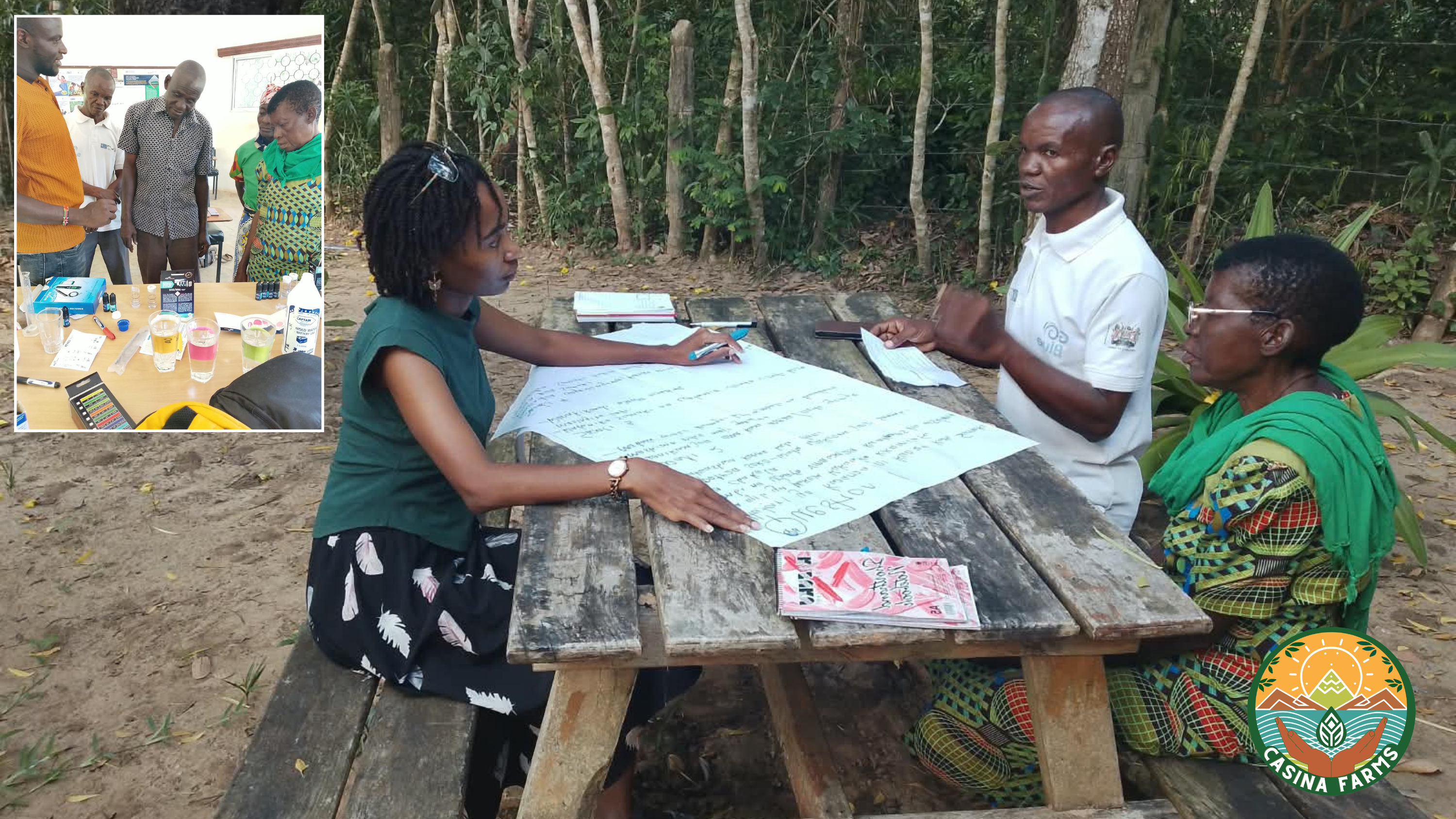
Mariculture practitioners from Mwachideko Self Help Group engaged at Mwawesa.
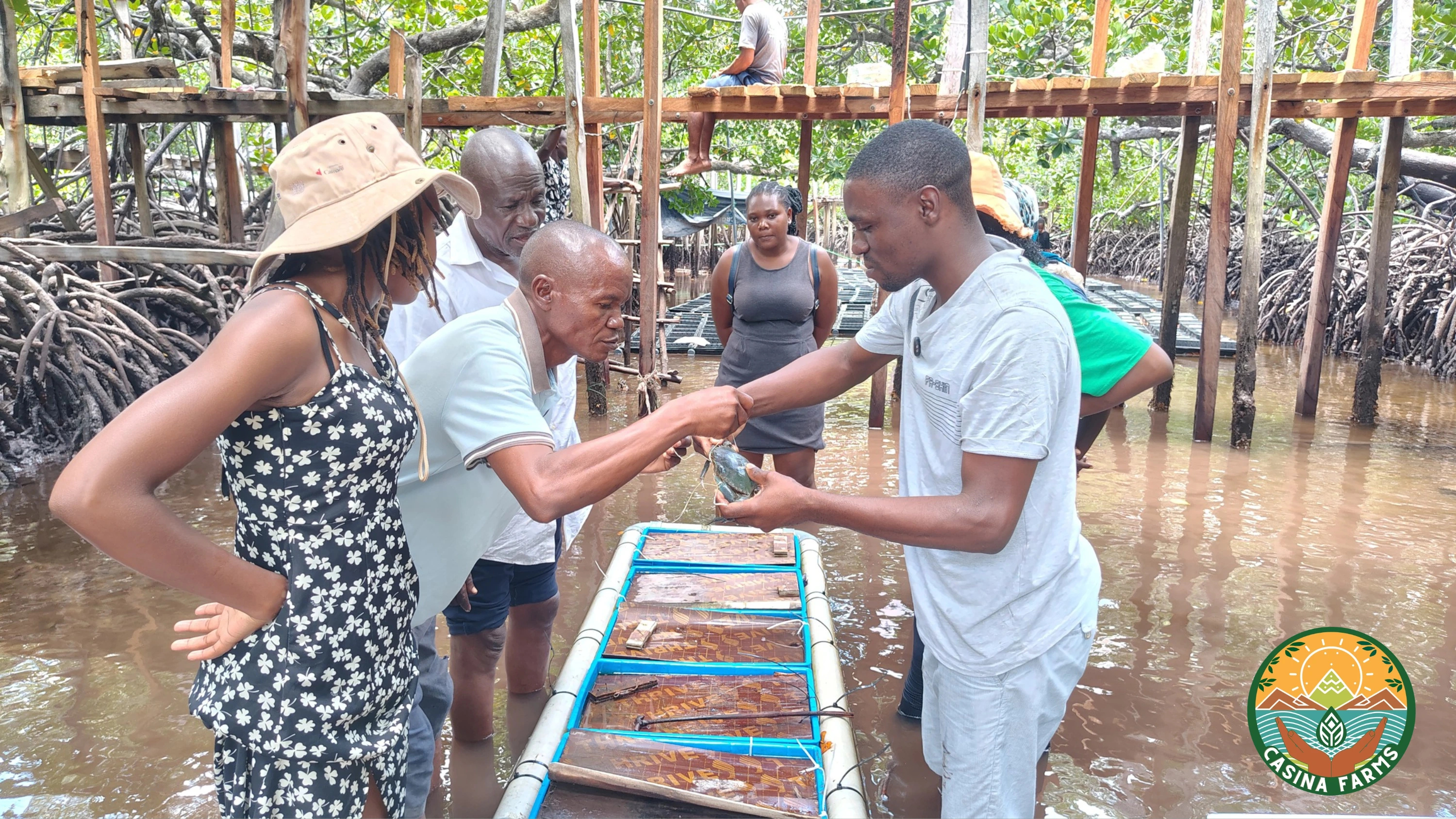
Community trainers trained in regenerative mariculture, from earthen pond management to crab fattening.
Hands-on practice, cross-learning and benchmark visits at KWETU Training Centre and Dabaso Crab Shack.
Continued extension services and follow-up by the Casina Farms technical team will support participants as these skills are applied to regenerative mariculture in Mwawesa.
Project Milestones
23 September 2026
CFCI and Mwachideko Self Help Group discussed the project, community experience and the conditions surrounding the mariculture ponds and mangroves in Mwawesa.
View milestone28 September to 2 October 2026
Community representatives joined Dabaso Youths for Green Future for practical learning on crab farming, mangrove conservation and community enterprise.
View milestone4 October 2026
The project team and partners visited the coastal sites connected to the initiative to understand local conditions, community priorities and the work taking place in Mwawesa.
View milestone19 to 23 October 2026
Community representatives continued the knowledge exchange at the KWETU Training Centre for Sustainable Development, with practical learning relevant to mariculture management and community application.
View milestoneNext Phase
Participants will share their learning with the wider group and consider which approaches can support the community’s existing mariculture and CBEMR work.
View milestone23 September 2026
CFCI and Mwachideko Self Help Group discussed the project, community experience and the conditions surrounding the mariculture ponds and mangroves in Mwawesa.
28 September to 2 October 2026
Community representatives joined Dabaso Youths for Green Future for practical learning on crab farming, mangrove conservation and community enterprise.
4 October 2026
The project team and partners visited the coastal sites connected to the initiative to understand local conditions, community priorities and the work taking place in Mwawesa.
19 to 23 October 2026
Community representatives continued the knowledge exchange at the KWETU Training Centre for Sustainable Development, with practical learning relevant to mariculture management and community application.
Next Phase
Participants will share their learning with the wider group and consider which approaches can support the community’s existing mariculture and CBEMR work.
The most important part of the initiative happens when community representatives return to Mwawesa.
They will share what they have learned with other group members, discuss which practices are realistic and consider how the learning can support their existing mariculture and CBEMR work. CFCI will continue working alongside the group as ideas are tested, adjusted and applied.
The value of the project will be seen not only in the training completed, but in how the community uses the learning to make practical decisions about its ponds, livelihoods and surrounding mangroves.
A forthcoming Project Story Map will explore the technical work and lessons that emerge as the initiative continues.
For now, the story begins with a community, its ponds and the mangroves around them, and with a shared effort to understand how each can support the other.
The Mangrove Champions Initiative project, Building Community Capacity for Regenerative Mariculture and Hydrological Mangrove Ecosystem Restoration in Coastal Kenya , is implemented by Casina Farms Community Initiative in partnership with Mwachideko Self Help Group, with support from Wetlands International. The initiative forms part of the wider work of the Global Mangrove Alliance Kenya Chapter.